205 questions asked across 20 exam years, newest first
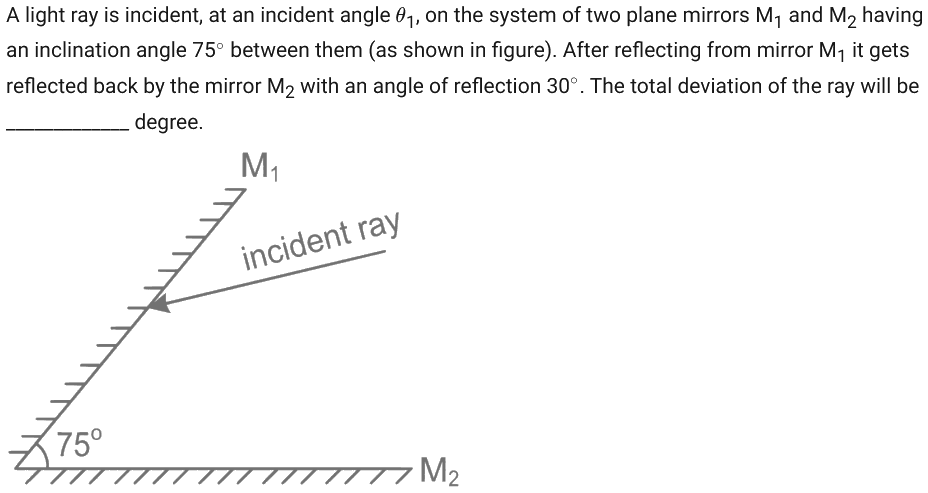
Answer: 210
A small bulb is placed at the bottom of a tank containing water to a depth of . The refractive index of water is . The area of the surface of water through which light from the bulb can emerge out is . The value of x is ________.
Answer: 9
The difference of speed of light in the two media A and B is . If the refractive index of medium B is , then the ratio of refractive index of medium B to medium A is : (Given : speed of light in vacuum )
Answer: C
A ray of light is incident at an angle of incidence on the glass slab of refractive index . After refraction, the light ray emerges out from other parallel faces and lateral shift between incident ray and emergent ray is . The thickness of the glass slab is ____ .
Answer: 12
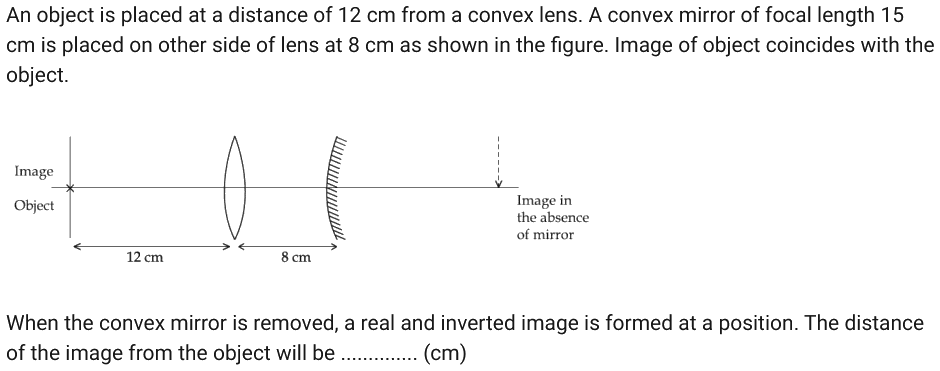
Answer: 50

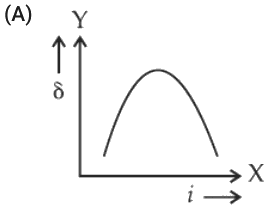
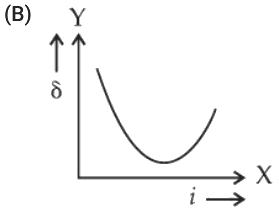
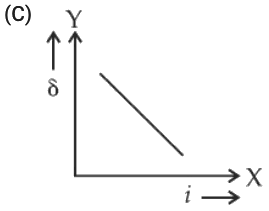
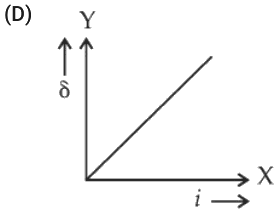
Answer: B
The difference in the number of waves when yellow light propagates through air and vacuum columns of the same thickness is one. The thickness of the air column is __________ mm. [Refractive index of air = 1.0003, wavelength of yellow light in vacuum = ]
Answer: 2
A ray of laser of a wavelength 630 nm is incident at an angle of at the diamond-air interface. It is going from diamond to air. The refractive index of diamond is 2.42 and that of air is 1. Choose the correct option.
Answer: C
A prism of refractive index and angle of prism A is placed in the position of minimum angle of deviation. If minimum angle of deviation is also A, then the value of A in terms of refractive index is
Answer: A
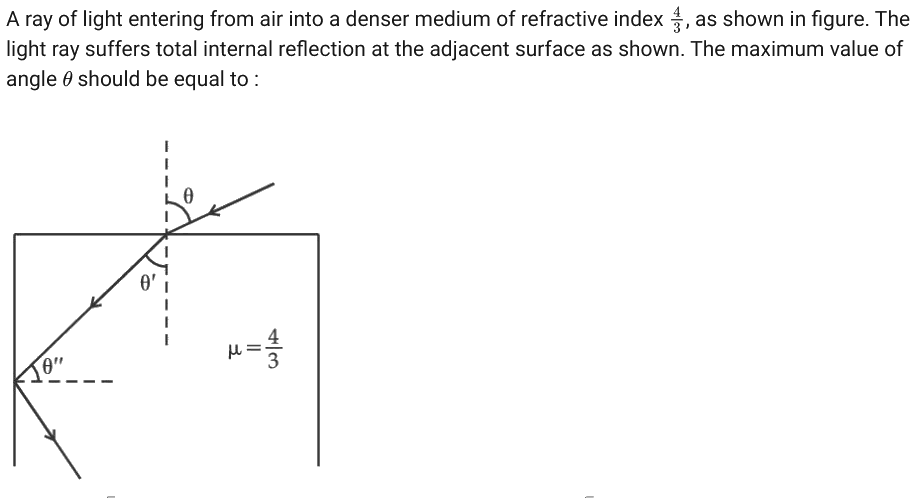
Answer: A
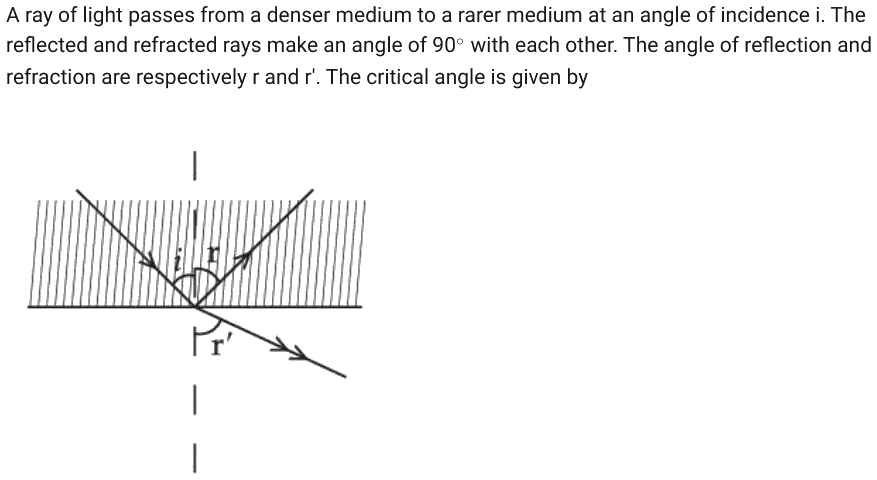
Answer: A
A ray of light passing through a prism () suffers minimum deviation. It is found that the angle of incidence is double the angle of refraction within the prism. Then, the angle of prism is ________ (in degrees).
Answer: 60
An object viewed from a near point distance of 25 cm, using a microscopic lens with magnification '6', gives an unresolved image. A resolved image is observed at infinite distance with a total magnification double the earlier using an eyepiece along with the given lens and a tube of length 0.6 m, if the focal length of the eyepiece is equal to __________ cm.
Answer: 25
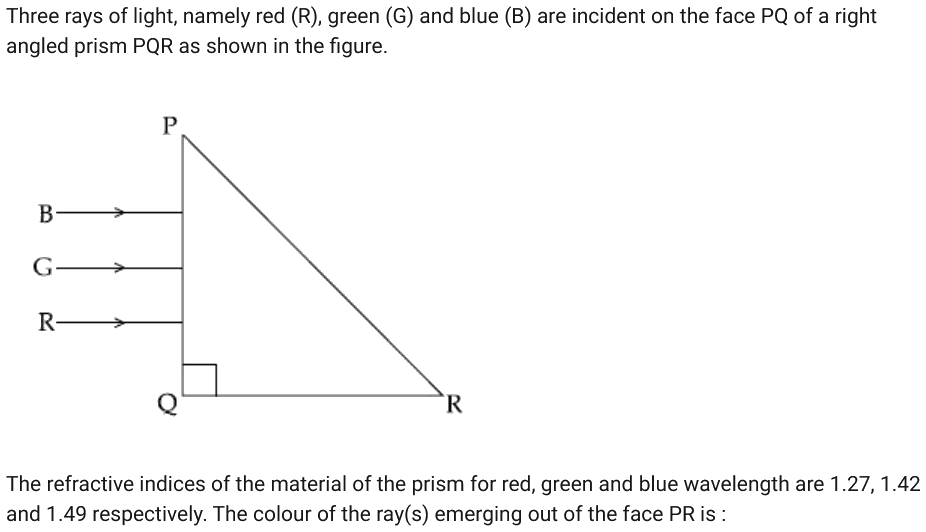
Answer: D
The speed of electrons in a scanning electron microscope is . If the protons having the same speed are used instead of electrons, then the resolving power of scanning proton microscope will be changed by a factor of :
Answer: B
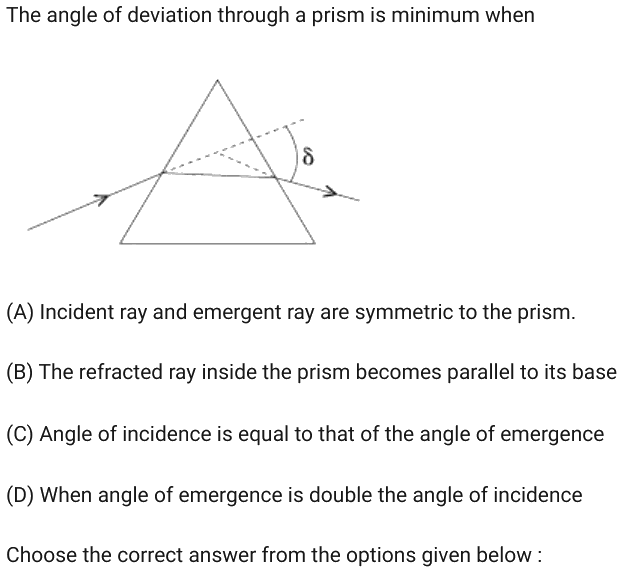
Answer: C
A short straight object of height 100 cm lies before the central axis of a spherical mirror whose focal length has absolute value | f | = 40 cm. The image of object produced by the mirror is of height 25 cm and has the same orientation of the object. One may conclude from the information :
Answer: B
The incident ray, reflected ray and the outward drawn normal are denoted by the unit vectors and respectively. Then choose the correct relation for these vectors.
Answer: B
Given below are two statements : one is labeled as Assertion A and the other is labeled as Reason R. Assertion A : For a simple microscope, the angular size of the object equals the angular size of the image. Reason R : Magnification is achieved as the small object can be kept much closer to the eye than 25 cm and hence it subtends a large angle. In the light of the above statements, choose the most appropriate answer from the options given below :
Answer: D
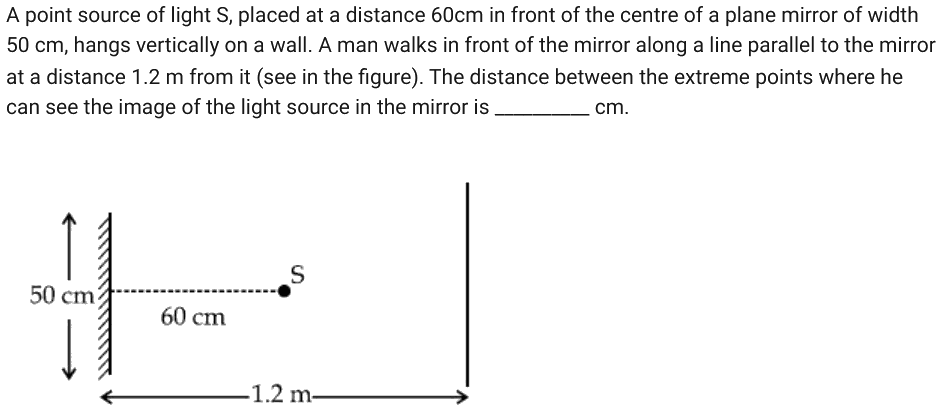
Answer: 150
A point like object is placed at a distance of 1 m in front of a convex lens of focal length 0.5 m. A plane mirror is placed at a distance of 2 m behind the lens. The position and nature of the final image formed by the system is :
Answer: A
A double convex lens has power P and same radii of curvature R of both the surfaces. The radius of curvature of a surface of a plano-convex lens made of the same material with power 1.5 P is :
Answer: A
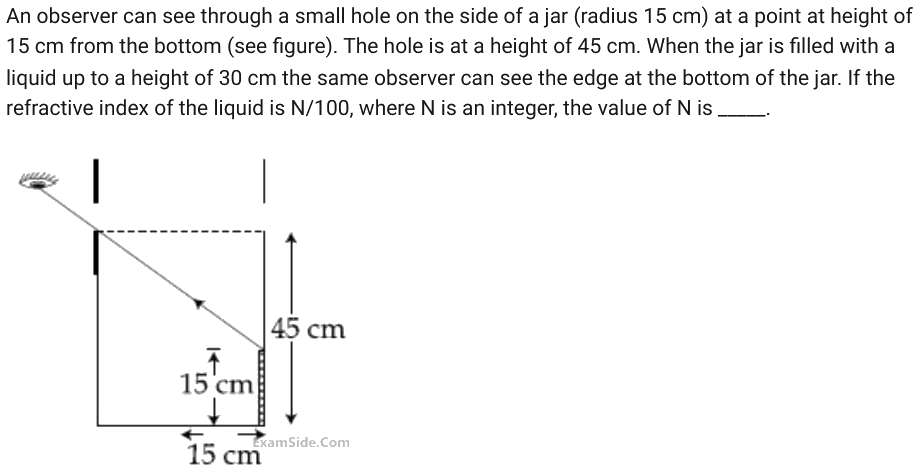
Answer: 158
When an object is kept at a distance of 30 cm from a concave mirror, the image is formed at a distance of 10 cm from the mirror. If the object is moved with a speed of , the speed (in ) with which image moves at that instant is _______.
Answer: 1
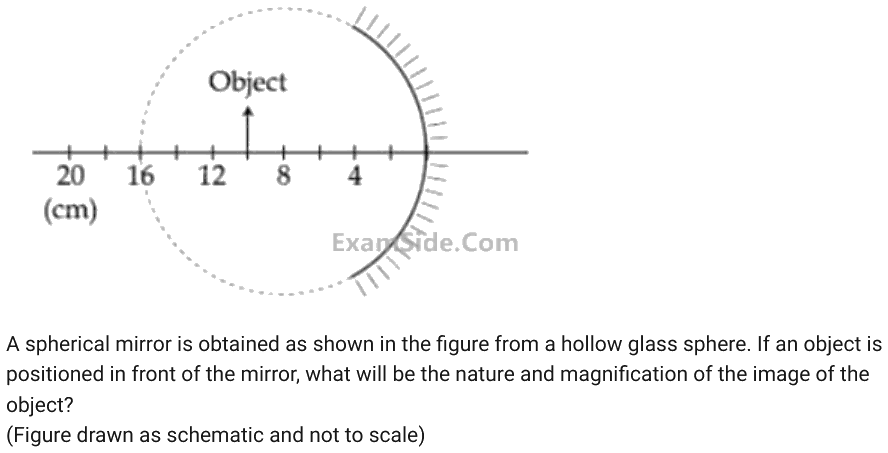
Answer: A
