80 questions asked across 17 exam years, newest first
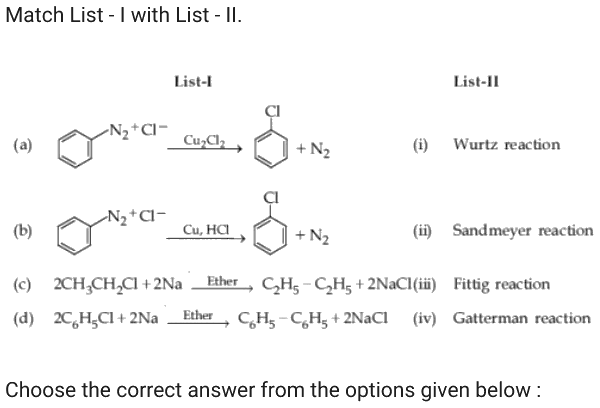
Match List - I with List - II Choose the most appropriate answer from the options given below :
Answer: A
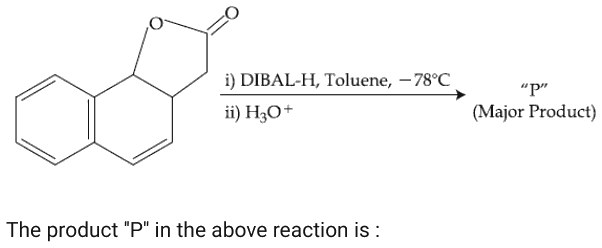
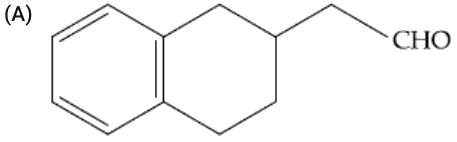
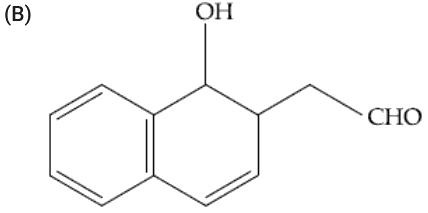
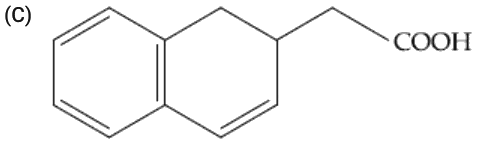
Answer: B
Answer: A
The correct sequence of reagents used in the preparation of 4-bromo-2-nitroethyl benzene from benzene is :
Answer: B

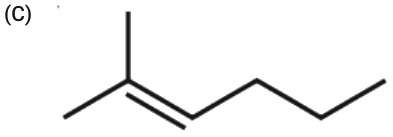
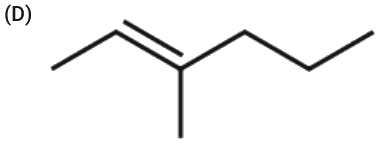
Answer: B
The correct match between Item-I (starting material) and Item-II (reagent) for the preparation of benzaldehyde is : | Item-I | Item-II | | :--- | :--- | | (I) Benzene | (P) and , | | (II) Benzonitrile | (Q) , -, S and quinoline | | (III) Benzoyl Chloride | (R) , and |
Answer: A

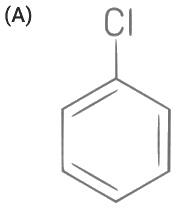
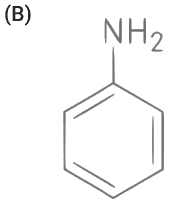
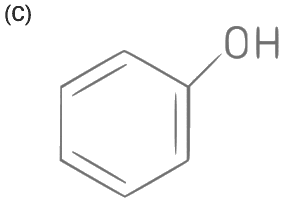
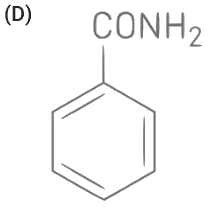
Answer: A
The reaction of (A) with in tetrahydrofuran gives inorganic benzene (B). Further, the reaction of (A) with (C) leads to . Compounds (B) and (C) respectively, are :
Answer: D
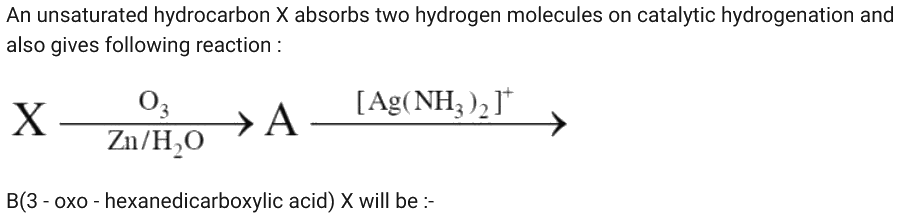
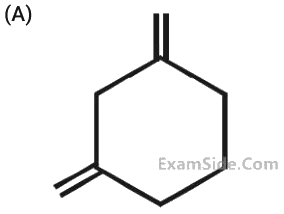
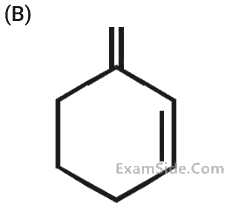
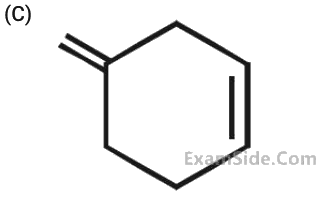
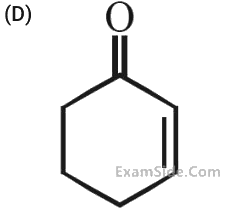
Answer: C
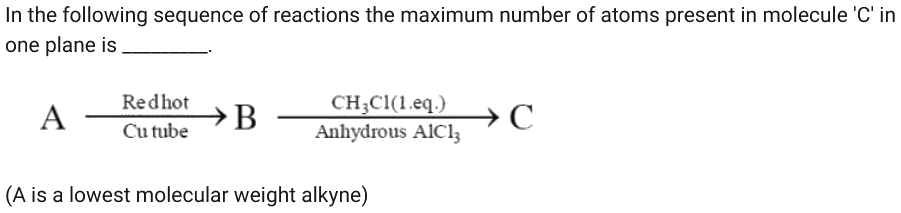
Answer: 13
25 g of an unknown hydrocarbon upon burning produces 88 g of and 9 g of . This unknown hydrocarbon contains :
Answer: D
At 300 K and 1 atmospheric pressure, 10 mL of a hydrocarbon required 55 mL of for complete combustion, and 40 mL of is formed. The formula of the hydrocarbon is :
Answer: B
Which one of the following alkenes when treated with HCl yields majorly an anti Markovnikov product?
Answer: B
Which of the following compounds will most readily be dehydrated to give alkene under acidic condition ?
Answer: B
When 9.65 ampere current was passed for 1.0 hour into nitrobenzene in acidic medium, the amount of p-aminophenol produced is :
Answer: A
The trans-alkenes are formed by the reduction of alkynes with
Answer: D

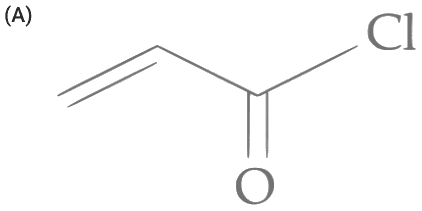
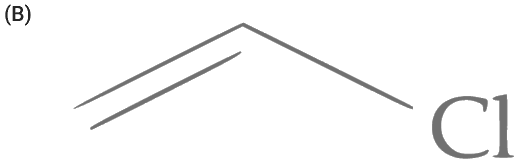
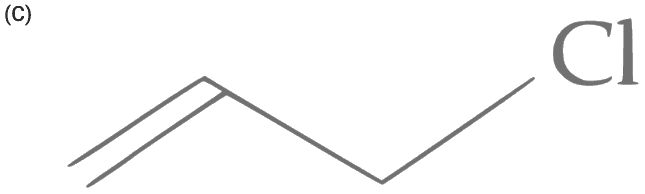
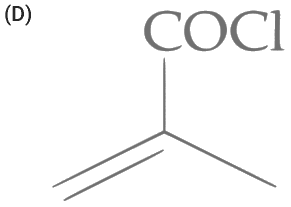
Answer: B
At and , of a gaseous hydrocarbon requires air containing by volume for complete combustion. After combustion the gases occupy . Assuming that the water formed is in liquid form and the volumes were measured at the same temperature and pressure, the formula of the hydrocarbon is:
Answer: A





Answer: D
In the following sequence of reactions: The product C is
Answer: C

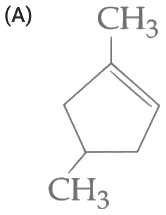
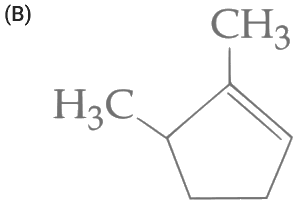
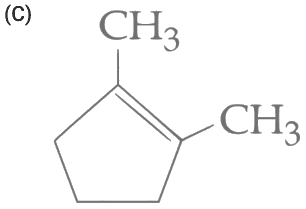
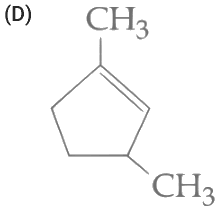
Answer: D
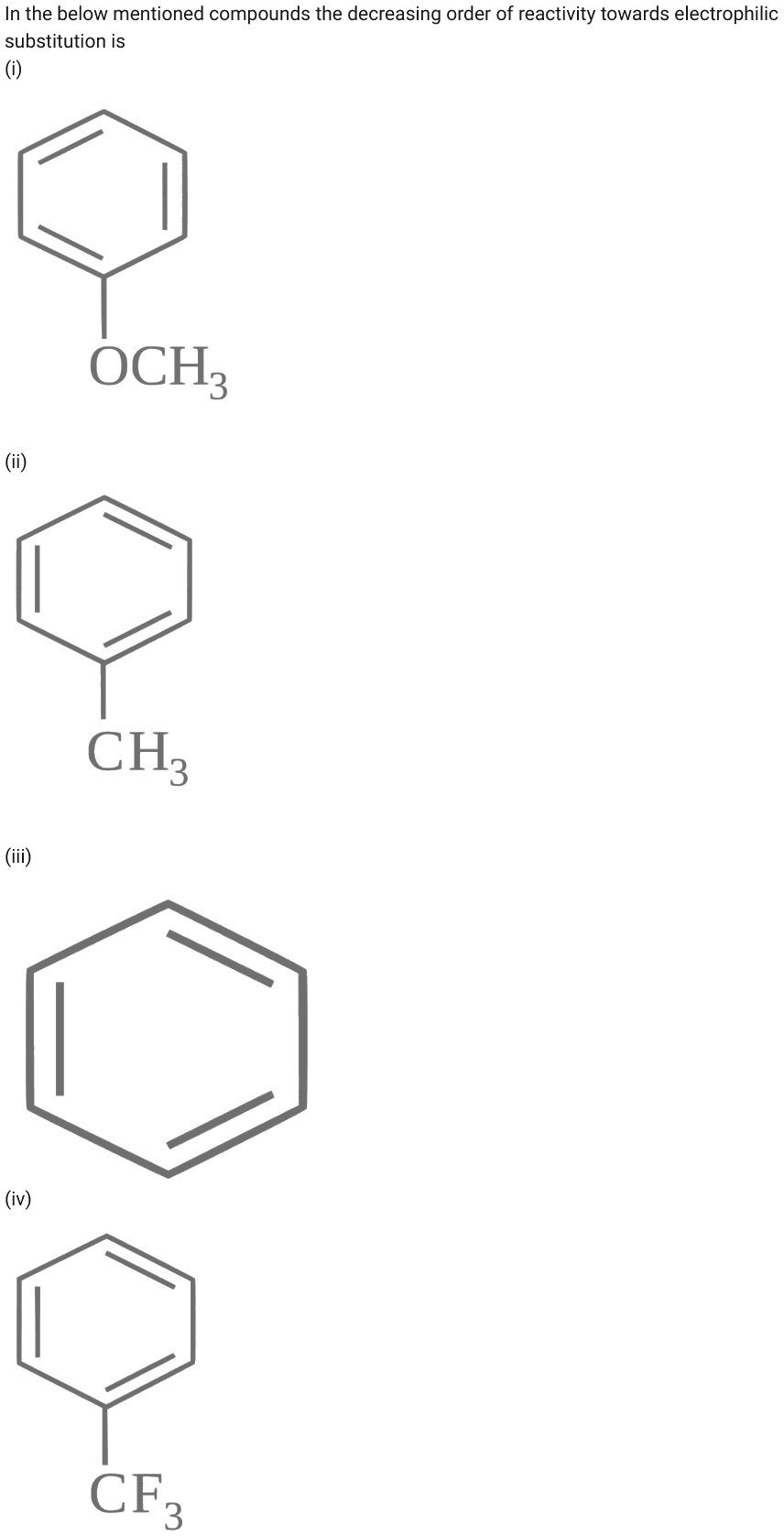
Answer: D
Fluorobenzene () can be synthesized in the laboratory
Answer: B
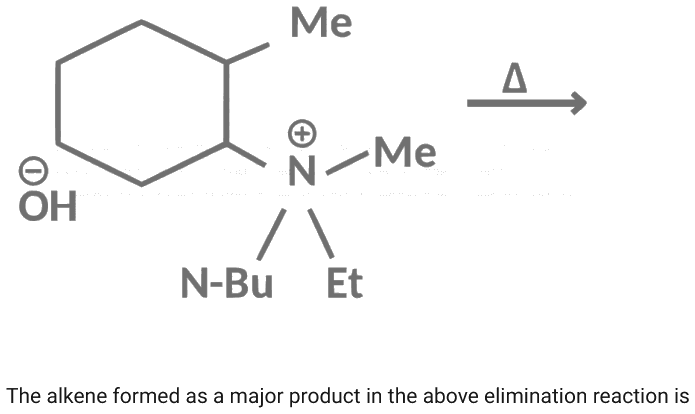
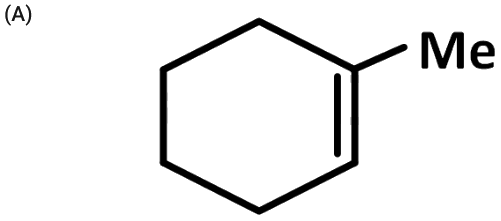
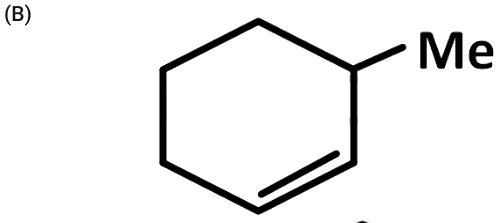

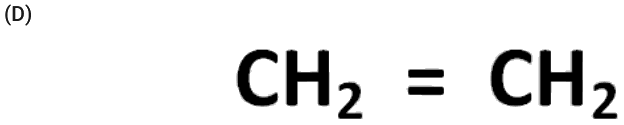
Answer: D
Acid catalyzed hydration of alkenes except ethene leads to the formation of
Answer: D
